
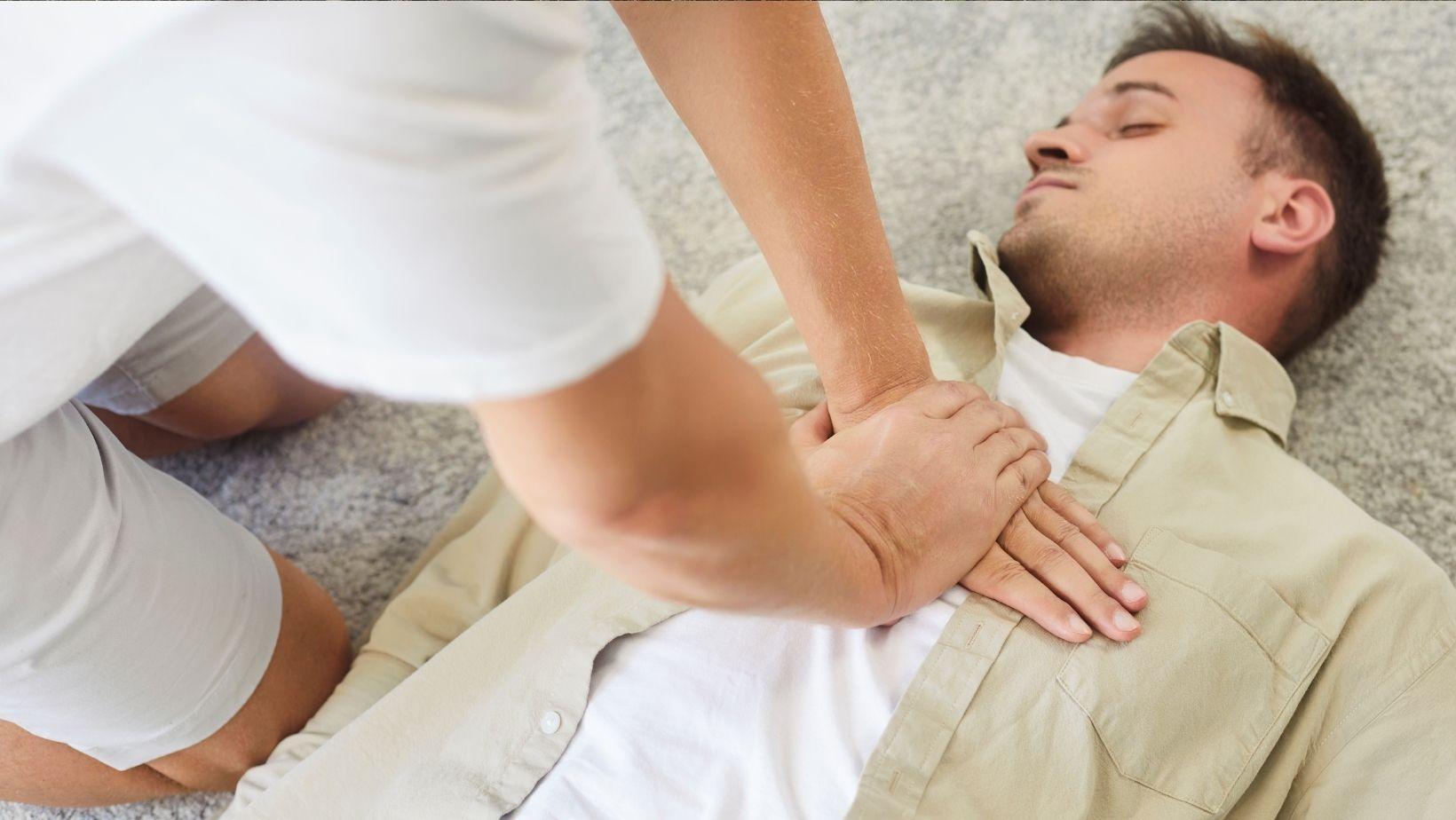
First aid skills are essential for travelers to handle common injuries like sprains, cuts, or more serious emergencies like cardiac arrest while on the road. Getting certified through recognized training ensures you can provide immediate care until local emergency services arrive, making your adventures safer for everyone involved.
When you are out exploring new cities or hiking remote trails, the last thing you want to think about is a medical emergency. However, being prepared is what allows you to enjoy those experiences with real peace of mind. Taking Red Cross First Aid courses gives you the practical tools to manage a crisis without panicking. It is the kind of preparation that you hope stays in your backpack, but you will be incredibly glad to have it if a situation ever turns south.
What Should a Traveler’s First Aid Kit Include?
Most people just throw a few Band-Aids in their bag and call it a day. If you want to be truly prepared, you need to think about the specific risks of your trip. Are you going somewhere with a lot of sun? Pack burn cream. Are you hiking? You definitely need high-quality gauze and a way to secure a splint.
Learning how to actually use these items is just as important as carrying them. In a standard class, you get to practice bandaging techniques that won't just fall off the moment you start moving again. It turns a bag of "stuff" into a functional toolkit that can actually help someone in pain.
Why is CPR Training a Must for Tour Groups?
If you are traveling with a group, the chances of someone having a medical issue naturally go up. Heart-related emergencies can happen to anyone, especially with the added stress and physical activity of travel. Knowing how to perform CPR and use an AED can save a life in those critical minutes before an ambulance reaches your location.
Many public places like airports, train stations, and large hotels now have AEDs available. These machines are designed to be used by the public, but having practiced with one in a controlled setting makes you much faster. Speed is everything when a heart stops, and your training ensures you don't waste time second-guessing yourself.
How Does Blended Learning Work for Busy People?
Most travelers are always on the move and don't have time to spend two full days in a classroom. The blended learning model is perfect for this lifestyle because it is flexible. You can complete all the theory and reading online while you are at the airport or sitting in a café.
Once the online portion is finished, you just need to attend a shorter in-person skills session. This is where an instructor checks your technique to make sure you are doing compressions correctly and effectively. It is a streamlined way to get a high-quality certification without sacrificing your entire week.
Can You Use These Skills Anywhere in the World?
The great thing about Red Cross training is that the core techniques are based on international standards. While some local protocols might vary slightly, the way you treat a major bleed or perform chest compressions is generally the same everywhere.
This gives you a universal "safety language" that you can use regardless of where your travels take you. Whether you are in a bustling city or a quiet seaside village, your ability to stay calm and provide care remains the same. It is one of the most versatile skills you can ever learn.
If you are looking for first aid training near Quidi Vidi, Water Street, or other areas close to our facility in the downtown region, then you may reach out to Coast2Coast First Aid & Aquatics in that area.
Frequently Asked Questions
How do I find a local training date? The easiest way is to check the online calendar for the specific city you are in. You can see all available dates for both full courses and shorter skills sessions, allowing you to pick a time that fits your itinerary.
Do I need to be in great physical shape to do CPR? While CPR does require some physical effort, the techniques are taught so that anyone can perform them. The instructors can show you how to use your body weight effectively to make the compressions easier on your own muscles.
Will my certificate be recognized by my employer? Yes, Red Cross certifications are recognized across Canada and meet WSIB and OHS standards. This makes them a great addition to your professional resume as well as your personal skill set.
What happens if I forget my online login? The support team can easily help you recover your account so you can finish your modules. It is always a good idea to keep your login info handy so you can review the material even after you finish the course.
Is there a difference between "Standard" and "Emergency" First Aid? Standard First Aid is a comprehensive two-day course (or blended equivalent) that covers a wide range of injuries and illnesses. Emergency First Aid is a shorter, one-day course that focuses strictly on life-threatening emergencies.