
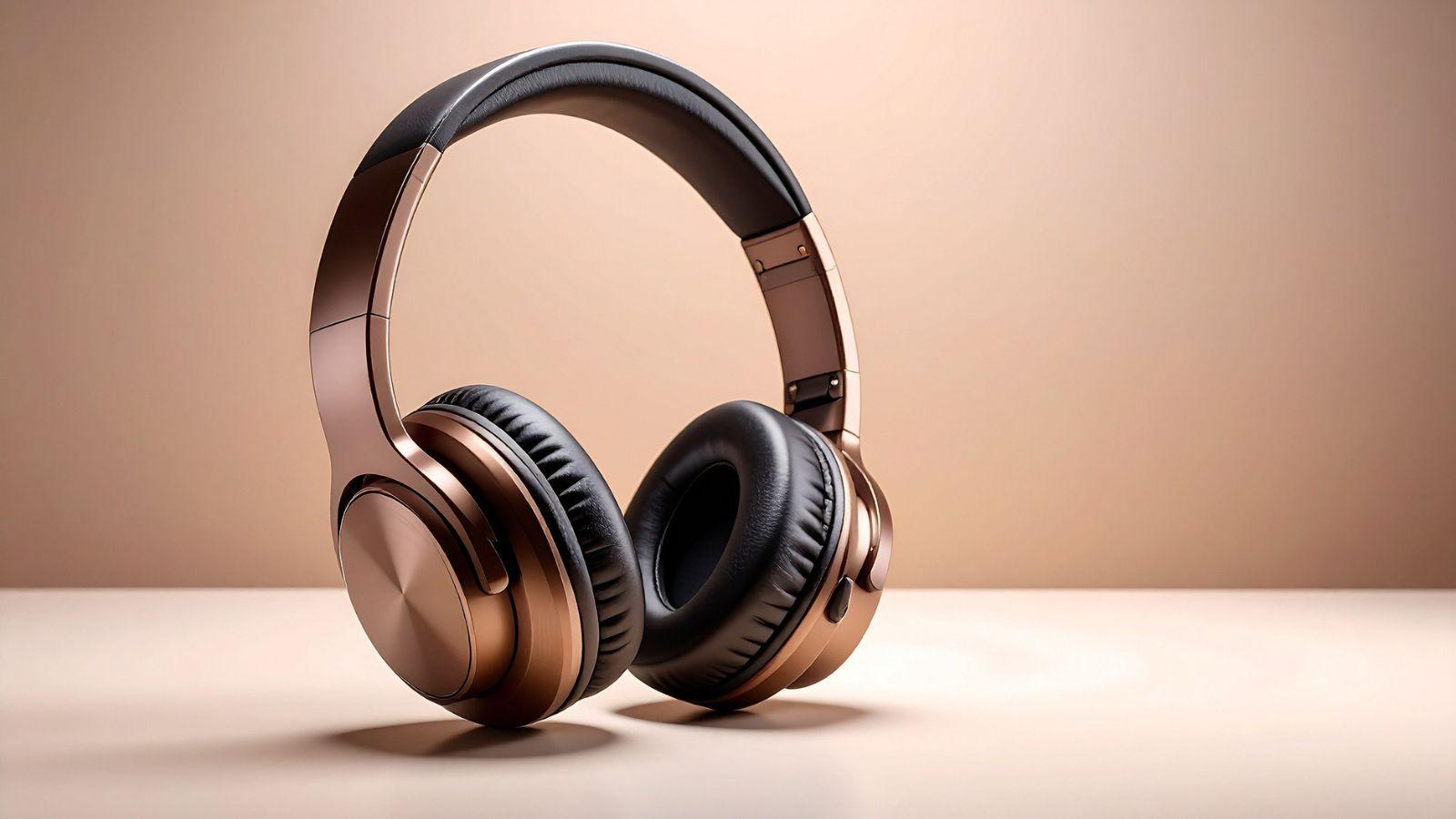
Crank the volume on two seemingly similar headphones and you’ll often hear two very different results. One stays composed, detailed, and punchy. The other turns into a smeared, harsh mess. This isn’t random luck — it comes down to specific engineering choices made long before the headphones reach shop shelves.
Understanding why some pairs hold their composure at higher volumes can save you from buying headphones that sound great in a quiet showroom but fall apart the moment you actually want to enjoy them.
The Science Behind Driver Distortion Thresholds
Every headphone driver has a physical limit. As volume increases, the diaphragm has to move further and faster, and the motor system driving it works harder to keep up. Cheaper drivers tend to lose control at this point, introducing distortion that muddies the sound.
Better-engineered drivers manage this stress more gracefully. They maintain mechanical damping and linearity even under heavier excursion, which keeps bass tight and prevents mids and highs from turning brittle. Research from RTINGS found that distortion in headphones is often inaudible at typical listening levels, but becomes noticeable only once headphones are pushed toward extremely high output — a threshold that varies significantly depending on driver design and construction. This explains why premium headphones can feel like they have more “headroom” before things start sounding rough.
How Impedance Affects Volume Performance
Impedance is one of the most misunderstood specs in headphone shopping. It doesn’t directly indicate quality — it simply tells you how much voltage or power a source needs to supply to drive the headphones properly. A high-impedance pair can sound fantastic, but only if paired with a source capable of delivering enough clean power.
This matters more than ever now that so much listening happens through phones, laptops, and streaming devices rather than dedicated amplifiers. People increasingly split their listening time between music, podcasts, and interactive entertainment, and audio quality expectations have followed. For instance, people playing poker and slots in crypto casinos often want the same crisp, distortion-free audio experience they’d expect from a well-tuned playlist, since background music and sound effects are part of the overall session. Sensitivity plays a role here too — two headphones with identical impedance can behave very differently depending on how efficiently they convert power into actual loudness.
Why Entertainment Habits Shape Listening Preferences
The way people consume audio has shifted the demands placed on headphones. Long listening sessions, whether for music, gaming, or streaming, mean headphones need to stay comfortable and clear over extended volume exposure rather than just sounding impressive for a few seconds.
This is also where safe listening habits intersect with sound quality. The World Health Organisation notes that audio at 80 decibels can be enjoyed safely for up to 40 hours a week, but that safe exposure time drops sharply to just 4 hours weekly once volume reaches 90 decibels, and it specifically recommends keeping device volume moderate rather than compensating for background noise by cranking things up. Headphones with strong passive isolation or noise cancellation reduce the temptation to push volume higher just to hear over ambient sound, which indirectly protects both hearing and sound quality.
Choosing Headphones That Match Your Habits
Picking the right headphones really comes down to matching engineering strengths with how you actually listen. If you favour long sessions at moderate-to-loud volumes, prioritise models known for controlled bass, low distortion at higher output, and dependable driver construction rather than headline specs alone.
Buyers today are also more selective than ever. Recent industry analysis noted that global headphone shipments grew only modestly through late last year, while spending on premium models increased more noticeably, suggesting people are trading up for genuine performance gains rather than simply chasing volume, according to recent market data. That trend reflects a simple truth: listeners are becoming more attuned to what “sounding better loud” really means, and manufacturers are responding accordingly.