
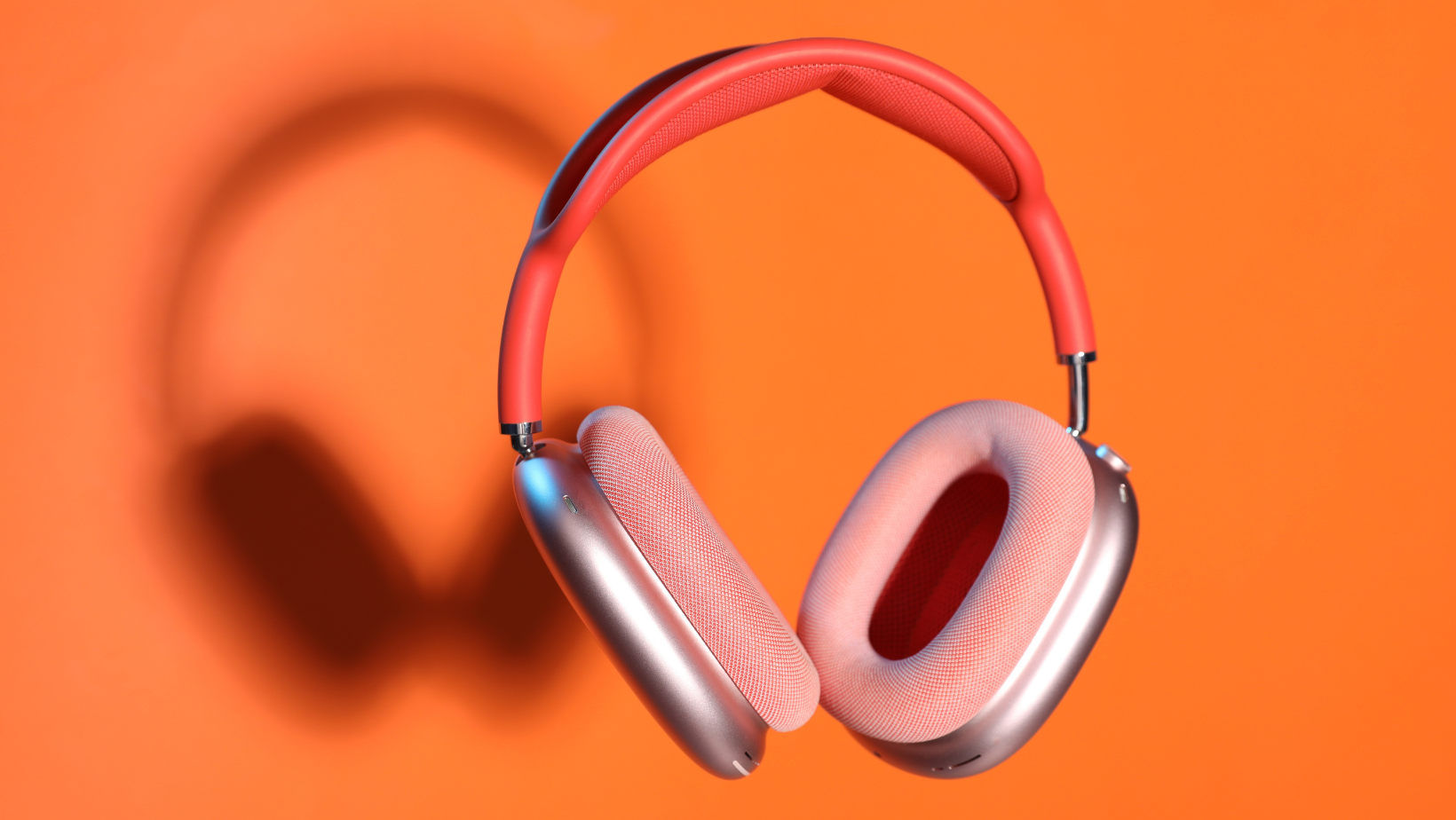
The high-end headphone market has evolved rapidly over the past few years. What used to be a straightforward choice between a few premium brands has become a nuanced decision shaped by new technologies, changing listening habits, and rising expectations from audiophiles and casual listeners alike.
In 2026, buying high-end headphones is less about chasing the most expensive model and more about understanding how specific features align with your listening preferences. Whether you’re building a home listening setup or looking for an immersive experience on the go, knowing what to prioritize can make the difference between a good purchase and a great one.
This guide breaks down the key factors to consider so you can make a confident, informed decision.
Sound Signature and Personal Preference
The first and most important factor is sound. Not just “good sound,” but the type of sound that suits your taste.
High-end headphones are often tuned differently depending on their intended use. Some prioritize accuracy, while others lean toward a more engaging or musical presentation. When evaluating sound signature, consider:
- Neutral vs. Colored Sound: Neutral headphones aim to reproduce audio as it was recorded, making them ideal for critical listening. Colored sound profiles may boost bass or treble for a more dynamic experience.
- Bass Response: Tight and controlled bass is usually preferred over exaggerated low-end rumble, especially for clarity.
- Midrange Clarity: Vocals and instruments live here. A strong midrange ensures natural, lifelike playback.
- Treble Detail: Crisp highs can reveal subtle details, but overly sharp treble can lead to listening fatigue.
There’s no universal “best” sound signature. The right choice depends on whether you prefer analytical listening or a more immersive, relaxed experience.
Driver Technology and Performance
Driver technology has seen significant refinement, and it plays a central role in how headphones perform. Understanding the basics can help you narrow down your options.
Common driver types include:
- Dynamic Drivers: The most widely used, known for their punchy bass and versatility.
- Planar Magnetic Drivers: Offer excellent detail and low distortion, often favored by audiophiles.
- Electrostatic Drivers: Highly detailed and fast, but typically require specialized equipment.
Each type has its strengths. Planar magnetic headphones, for example, tend to deliver a wide soundstage and precise imaging, making them ideal for critical listening sessions. Dynamic drivers, on the other hand, are often more portable and efficient.
Build quality and engineering also matter. Even within the same driver category, performance can vary widely depending on design and materials.
Build Quality, Comfort, and Longevity
High-end headphones are an investment, and their physical construction should reflect that. Comfort is especially important if you plan to use your headphones for extended sessions. Look for:
- Headband Design: Even weight distribution reduces pressure on the top of your head.
- Ear Pad Materials: Memory foam and breathable fabrics can improve comfort over time.
- Clamp Force: Too tight can cause discomfort, too loose can affect sound isolation.
Durability is just as critical. Premium headphones should feature sturdy materials such as metal frames, reinforced joints, and high-quality cables. Replaceable components, like ear pads and cables, can extend the lifespan of your headphones significantly.
This is where brands like Moon Audio often come into the conversation. Known for offering carefully curated audio equipment and accessories, Moon Audio emphasizes both performance and build quality, which are essential when investing in high-end gear.
Amplification and Source Compatibility
One of the most overlooked aspects of buying high-end headphones is how they pair with your existing equipment.
Not all headphones perform well straight out of a smartphone or laptop. Many high-end models require proper amplification to reach their full potential. Before purchasing, consider:
- Impedance and Sensitivity: High-impedance headphones typically need a dedicated amplifier.
- Source Quality: A high-resolution audio source can significantly improve the listening experience.
- DAC (Digital-to-Analog Converter): A quality DAC can enhance clarity and detail.
If you’re building or upgrading your audio setup, it’s worth exploring trusted retailers that specialize in high-performance audio gear. For example, browsing offerings from https://www.moon-audio.com/ can provide insight into how headphones, amplifiers, and cables work together as a system rather than standalone products.
Taking a system-wide approach ensures that your headphones perform as intended, rather than being limited by weaker components.
Wired vs. Wireless: A Practical Decision
Wireless technology has improved dramatically, but the wired vs. wireless debate still matters at the high end.
Wired headphones generally offer:
- Better audio fidelity
- No latency issues
- Consistent performance without battery concerns
Wireless headphones provide:
- Convenience and portability
- Advanced features like noise cancellation
- Integration with modern devices
In 2026, some wireless models deliver impressive sound quality, but wired options still hold an edge for pure audio performance. If your priority is critical listening at home, wired headphones remain the preferred choice. For commuting or travel, wireless models may be more practical.
The decision ultimately comes down to how and where you plan to use your headphones.
Soundstage, Imaging, and Listening Experience
Beyond basic sound quality, high-end headphones are often judged by how they present space and detail.
- Soundstage refers to the perceived width and depth of the audio. A wider soundstage can make music feel more immersive.
- Imaging is the ability to place instruments and sounds accurately within that space.
Open-back headphones typically offer a more expansive soundstage, making them ideal for home listening. Closed-back designs provide better isolation, which can be useful in noisy environments but may feel more confined.
If you enjoy genres like classical, jazz, or live recordings, soundstage and imaging can significantly enhance your experience. For more bass-driven or studio-produced music, these factors may be less critical but still noticeable.
Customization and Upgrade Potential
High-end audio enthusiasts often value the ability to fine-tune their setup. Many premium headphones support customization options that can improve both comfort and performance.
These may include:
- Aftermarket cables
- Swappable ear pads
- Balanced connections
Upgrading components can subtly change the sound profile or improve signal quality. While not essential for everyone, these options provide flexibility for those who want to refine their listening experience over time.
Conclusion
Buying high-end headphones in 2026 is about more than just choosing a premium brand. It requires a thoughtful approach that considers sound signature, driver technology, comfort, system compatibility, and how you plan to use your headphones day to day.
By focusing on these factors, you can narrow down your options and invest in a pair that truly matches your listening style. Take the time to understand your priorities, test different models when possible, and think about your entire audio setup rather than a single component.
With the right approach, your next pair of headphones won’t just sound better – they’ll transform how you experience music.