
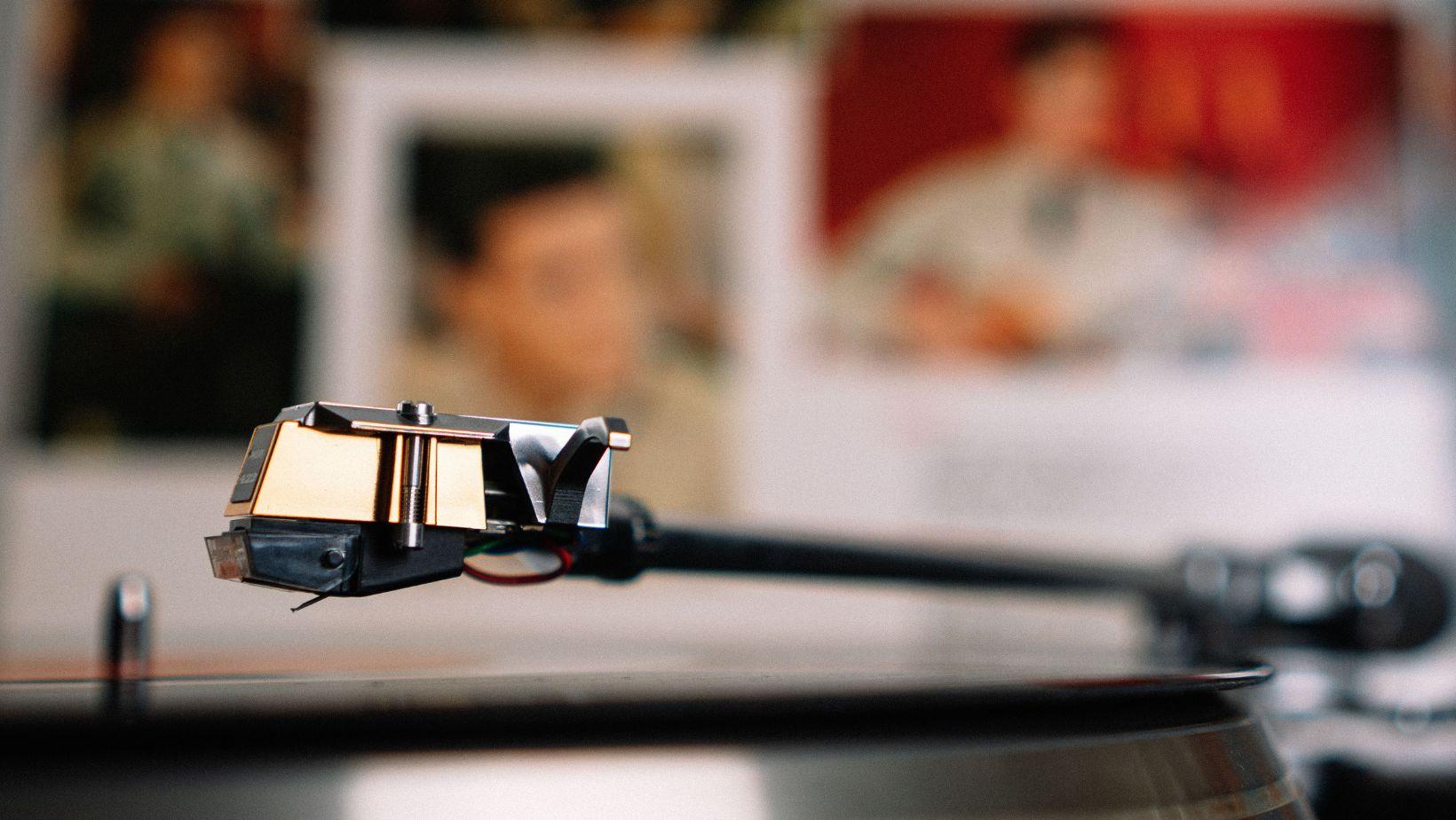
Building a dedicated music room requires balancing audio equipment with interior design. Bare drywall creates high-frequency acoustic reflections, known as flutter echo, which degrade sound quality. Blank walls also make the space look unfinished.
Wall decor is necessary to address these visual and minor acoustic problems. The artwork must fit the room without distracting the listener. High-quality fine art prints are an effective solution for these environments. They are available in custom sizes, allowing you to fit them precisely between acoustic panels or directly above large media consoles.
Selecting the right artwork depends on your audio components, room lighting, and the physical materials of the frame. For example, standard glass reflects sound waves much more than exposed canvas or fabric. Below is a breakdown of the top five print styles that function best in listening spaces.
1. Abstract Expressionist Pieces
Abstract expressionism is a style of art that prioritizes colour, texture, and visual weight over recognizable objects or specific scenes. This category of art is highly functional in music rooms because it does not require the viewer to process a specific narrative. When a person sits down to listen to a complex audio recording, the brain requires cognitive resources to process the sound. Highly detailed, literal artwork forces the brain to process complex visual information simultaneously. Abstract prints limit this visual data. They provide necessary colour and texture to the wall while remaining secondary to the primary activity of listening.
The lack of structure in abstract art makes it a highly adaptable tool for interior design. You can select prints that incorporate the exact accent colours found in your room, such as the fabric on your acoustic panels, the stain of your wood floors, or the upholstery on your listening chair. This creates a uniform design strategy. Abstract pieces also maintain their visual integrity regardless of scale. You can print them in very large formats for primary walls or in narrow, vertical formats to fit between tall speaker cabinets.
Here are the functional advantages of selecting abstract expressionist prints:
- Reduced visual processing. The absence of strict subject matter allows the user to focus cognitive attention entirely on the audio playback.
- Precise colour coordination. Abstract pieces typically utilize broad, distinct colour palettes, allowing for exact matching with existing room textiles.
- Scale adaptability. The designs do not distort when printed in non-standard dimensions, offering flexibility for walls with unusual measurements.
- Component compatibility. The unstructured style pairs effectively with both vintage wooden speaker enclosures and modern, metal audio racks.
- Atmosphere control. Prints dominated by warm colours (reds, oranges) create enclosed, comfortable environments, while cool colours (blues, greys) establish clinical, focused spaces.
2. Minimalist Geometric Designs
Minimalist geometric art is constructed using clean lines, simple shapes, and highly structured compositions. This style of artwork has a direct visual relationship with the physical design of high-fidelity audio equipment. A standard music room contains multiple components engineered with strict geometric parameters. You will typically find tall rectangular speaker towers, square metal amplifiers, and circular vinyl records or compact discs. Minimalist geometric prints replicate this industrial precision on the walls, establishing a strong sense of visual order throughout the room.
In the context of modern interior design, minimalism is used to manage visual clutter. Dedicated listening spaces often require extensive cabling, physical media storage racks, and multiple separate electronic components. Installing complex or highly detailed artwork in a room that already contains a high volume of objects makes the space appear disorganized. Geometric prints utilize large areas of negative space. Negative space gives the human eye a place to rest. You can position these geometric prints directly above a turntable or a central media unit to create a structured focal point.
Consider the following practical benefits of using minimalist geometric designs:
- Clutter management. The highly structured nature of the artwork provides a direct visual contrast to the physical clutter of cables and storage units.
- Equipment alignment. The straight lines and sharp angles in the art complement the physical manufacturing lines of modern audio hardware.
- Negative space utilization. Expansive areas of solid, flat colour reduce the total amount of visual noise in the listening environment.
- Low-light integration. Monochromatic or dual-tone geometric prints remain visible and distinct even when the primary room lighting is reduced for evening listening sessions.
- Symmetrical balancing. Geometric shapes make it easier to visually balance a room when placing artwork exactly in the centre of two stereo speakers.
3. Vintage Jazz and Concert Photography
Installing historical photography in a listening room establishes a direct thematic link to the primary function of the space. High-resolution black and white prints featuring recording studios, live concert venues, or notable musicians add a documentary element to the room. This specific style is highly effective if your audio system is built around analog playback formats. If you use vacuum tube amplifiers and heavy platter turntables, the mechanical, mid-century aesthetic of the equipment aligns perfectly with the historical nature of the black and white artwork.
When you display physical photography in a room, you must implement standard preservation techniques, particularly if the room has windows. Photographic prints are highly susceptible to fading and degradation when exposed to ultraviolet light and fluctuating humidity. If you frame vintage photography, you must use UV-filtering acrylic or glass, along with acid-free archival matting. This physical barrier stops UV radiation from breaking down the ink and paper, ensuring that the high-contrast blacks and greys remain sharp over decades of display.
The primary reasons to install vintage concert photography include:
- Thematic consistency. This style directly connects the visual environment of the room to the mechanical history of audio recording and performance.
- Monochromatic integration. Black and white imagery is completely colour-neutral, meaning it will not clash with any existing paint colours or wood finishes in the room.
- Contextual environment. Historical photography creates a specific historical atmosphere that complements the playback of classic, analog-era album releases.
- Visual documentation. High-quality photographic prints provide factual visual interest that functions as a conversation piece for visitors.
- Format matching. Square format photography directly mirrors the physical dimensions of standard 12-inch vinyl record sleeves.
4. Nature and Landscape Panoramas
The integration of natural imagery into enclosed interior spaces is the foundation of biophilic design. This design principle relies on human connectivity to natural environments to reduce stress. Music rooms are frequently built as enclosed, isolated boxes to prevent sound transmission to other parts of the house. While this isolation is necessary for acoustic control, it often makes the room feel small, rigid, and claustrophobic. Installing large-scale nature and landscape panoramas introduces an organic visual element that counteracts the heavy use of plastics, metals, and composite woods found in audio gear.
Landscape prints provide a specific mechanical advantage due to their aspect ratios. Audio component racks, television stands, and record storage shelves are typically low to the ground and very wide, often spanning 40 to 60 inches in width. A panoramic landscape print matches this horizontal physical footprint exactly. When you centre a wide landscape piece above a long media console, it creates parallel alignment. Furthermore, images of deep landscapes create an optical illusion of physical depth, pushing the walls outward visually.
Integrating nature prints offers the following distinct advantages:
- Physiological baseline. Visual exposure to organic natural landscapes is documented to lower heart rates and reduce physical tension during long listening sessions.
- Horizontal alignment. Panoramic aspect ratios precisely match the width and physical footprint of standard low-profile audio component consoles.
- Material contrast. Images of earth, water, and foliage provide a necessary visual contrast to the rigid, synthetic materials used to build audio components.
- Spatial modification. Expansive landscape images alter the perception of depth, making small or low-ceiling listening rooms appear significantly larger.
- Colour temperature control. Natural landscapes offer organic greens and browns, which are neutral earth tones that ground the visual weight of the room.
5. High-Contrast Pop Art
Not all listening spaces are designed for passive, low-volume audio consumption. Many music rooms function as active spaces. They are used for practicing musical instruments, mixing digital audio, or listening to high-energy electronic and rock music at high volumes. In these specific, high-activity environments, high-contrast pop art is the most functional design choice. Pop art utilizes highly saturated primary colours, heavy black outlines, and striking commercial graphic designs. This style visually injects energy into the room and establishes a highly dynamic baseline for the space.
Pop art demands immediate visual attention. Because of this, it functions best in rooms equipped with modern, minimalist furniture in neutral colours. If your room features flat grey walls and a simple black leather listening chair, a single large pop art print will function as the anchor for the entire room design. Because this style of art has a very high visual impact, you should strictly limit the number of prints used. Installing one large piece is highly effective, whereas installing a gallery wall of multiple pop art pieces will cause severe visual fatigue.
The main benefits of utilizing high-contrast pop art include:
- Environmental energy. The use of bold, saturated colours and stark contrasts stimulates the user and matches the physical energy of high-tempo music playback.
- Primary focal generation. A large pop art piece immediately anchors the room’s design, successfully drawing the eye away from bulky, unattractive acoustic treatments or cable runs.
- Contemporary aesthetic. This style pairs accurately with modern synthetic furniture, LED lighting systems, and contemporary digital audio interfaces.
- Active stimulation. The bold imagery provides a visually engaging backdrop for spaces that require physical activity, such as instrument practice or DJ mixing.
- Visual dominance. Pop art effectively dominates the visual field, allowing you to use cheaper, simpler furniture without the room looking empty or under-designed.
Maximizing Acoustic Performance and Visual Appeal

After you select the style of fine art prints for your room, you must calculate how the physical materials of the art will interact with the sound waves generated by your speakers. A functional listening space requires a calculated balance of sound absorption, sound diffusion, and controlled reflection. Hard, flat, non-porous surfaces like drywall, exposed windows, and standard glass picture frames reflect mid-frequency and high-frequency sound waves. This reflection causes sound to bounce off the walls and arrive at your ears milliseconds after the direct sound from the speakers. This blurs the stereo image and makes the audio sound harsh and fatiguing.
Controlling the reverberation time (often measured as RT60 in acoustic science) is critical. The physics of sound dictate that early reflections from the side walls and the wall immediately behind the primary listening chair cause the most severe acoustic degradation. The HyperPhysics project defines RT60 as the time required for reflections of a direct sound to decay by 60 decibels. Placing highly reflective materials at the primary reflection points in your room will increase the RT60 time and damage the audio quality. Therefore, the material used to display your art matters significantly.
Print Styles Comparison Guide
|
Print Style |
Ideal Placement |
Primary Acoustic Benefit |
Visual Atmosphere |
|
Abstract Expressionism |
Above main seating/sidewalls |
Minimizes visual distraction |
Calm, cohesive, and flexible |
|
Minimalist Geometric |
Above media consoles/gear |
Complements hardware lines |
Structured, clean, and orderly |
|
Vintage Photography |
Dedicated analog listening nooks |
Neutral integration without clashing |
Historical, classic, and textured |
|
Landscape Panoramas |
Behind wide equipment racks |
Expands visual depth in small rooms |
Organic, relaxing, and expansive |
|
High-Contrast Pop Art |
Accent walls / active practice areas |
Commands visual attention |
Energetic, bold, and modern |
Conclusion
Decorating a music room requires a practical, measured approach. You must respect the aesthetic requirements of standard interior design while strictly adhering to the technical limitations of an acoustic environment. By selecting specific styles of fine art prints, you solve the problem of bare walls without creating visual distraction. Abstract expressionism and minimalist geometric designs offer clean, non-distracting visual fields that support focused audio consumption. Vintage photography connects the physical space to the mechanical history of music, while nature panoramas introduce calming, organic elements to highly synthetic rooms. For high-energy active spaces, pop art delivers necessary visual dominance. By controlling your framing materials and strategically avoiding the placement of glass in critical acoustic reflection zones, you guarantee that your artwork improves the visual design of the room while maintaining the maximum performance of your audio equipment.