
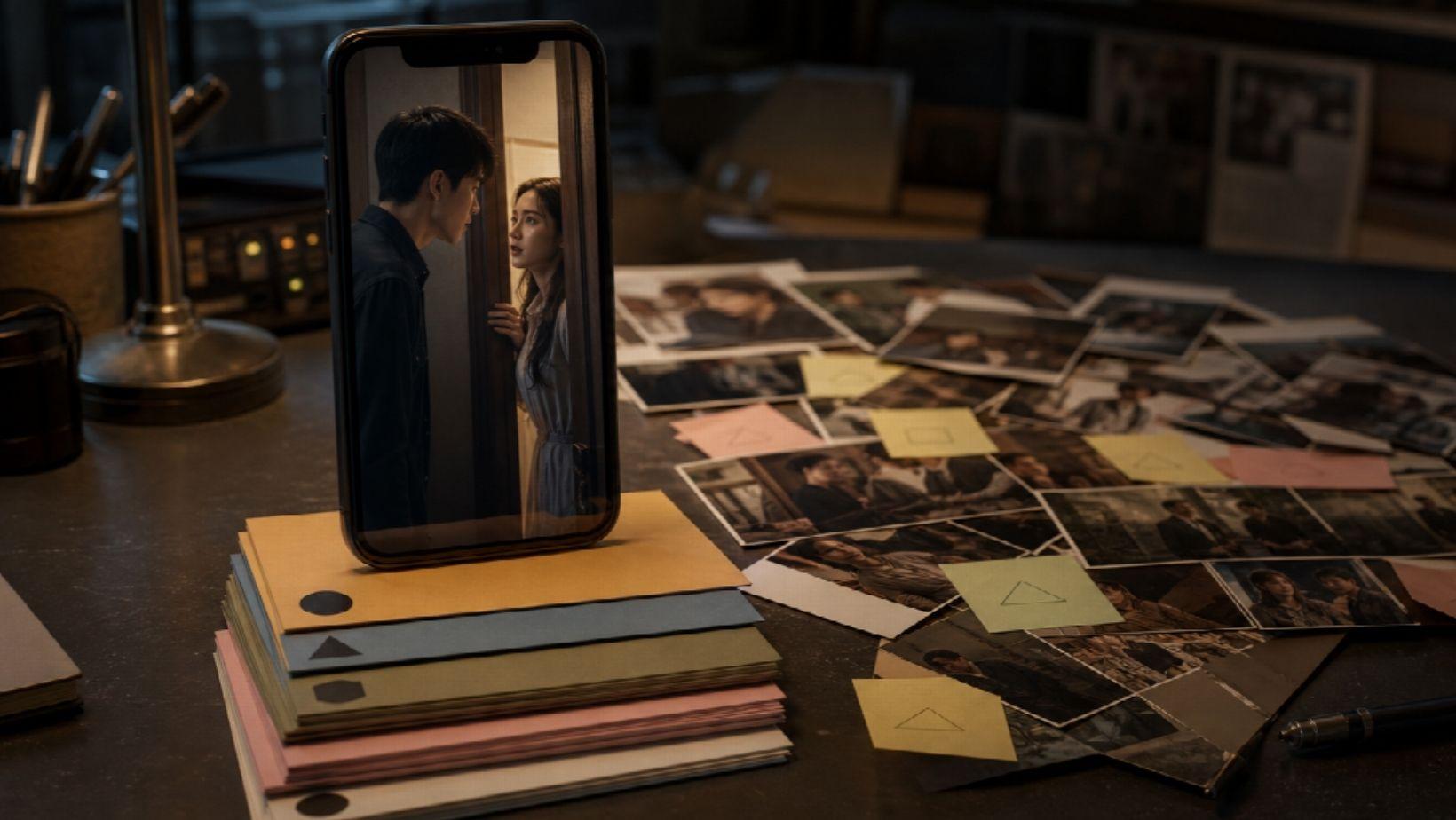
“Best AI video generator” and “best micro drama generator” are not the same shopping list.
A micro drama generator has to survive serialization: hooks, cliffhangers, recurring cast, vertical pacing, dialogue, captions, and enough continuity that episode seven still looks like the same show. A generic model can make a gorgeous eight-second stare. It will not remember your rival’s coat.
This ranking judges tools as episode systems, not arena Elo toys. The shortlist covers dedicated drama studios, vertical planning desks, all-in-one episode makers, and the clip engines people mistakenly treat as series tools.
What a micro drama generator must do
Score any product on these six checks before you believe the landing page:
- Story intake — idea, outline, script, or novel — not only a prompt box
- Episode structure — beats, hooks, cliffhangers, not random scenes
- Reusable cast & world — characters, locations, props as records
- Board → video path — shot order before generation burn
- Vertical delivery — dialogue / VO / captions / 9:16 habits
- Project memory — assets and versions stay in one place across episodes
If a tool fails 1–3, it is a clip generator wearing drama makeup.
Quick ranking
|
Rank |
Tool |
Best for |
Weak spot |
|
1 |
Topview Drama Studio |
Full plan → workbench → board → episode production |
Not trying to be every pro VFX suite at once |
|
2 |
Crreo AI |
Solo creators wanting timeline + dialogue + long episode exports |
Less “showrunner workbench,” more episode assembler |
|
3 |
MicroDirector AI |
Hook scoring, series outlines, retention-first writing |
Video finish often still needs a separate generator stack |
|
4 |
Magiclight / LTX-style story studios |
Longer project timelines and cinematic scene assembly |
Heavier than pure vertical micro-drama cadence |
|
5 |
Frontier clip models alone (Kling, Veo, Seedance, etc.) |
Hero shots and motion quality |
No series bible; continuity is your unpaid job
|

1. Topview Drama Studio — best overall micro drama generator
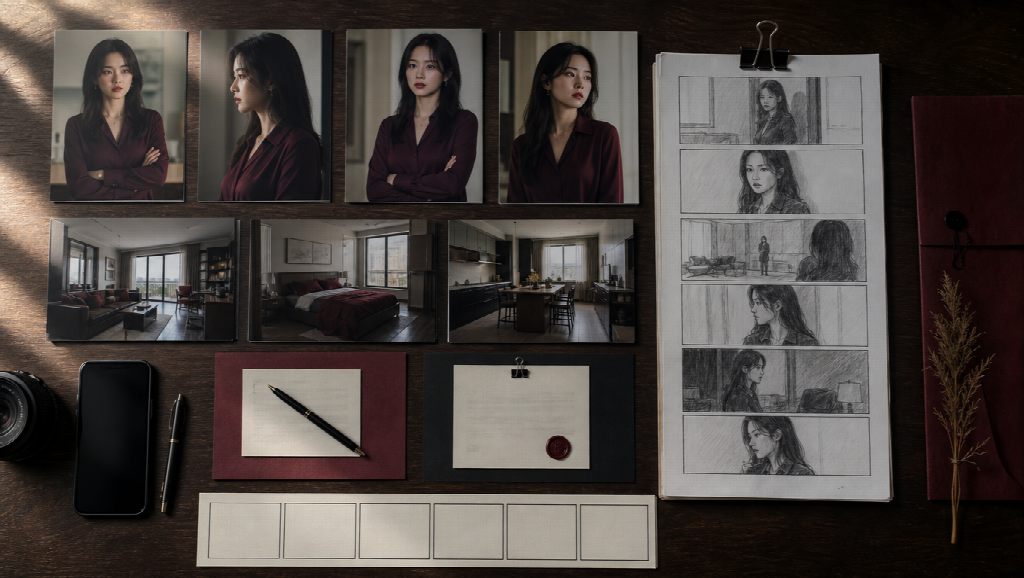
Best for: creators and small teams who need a real short-drama pipeline from text to episodic video.
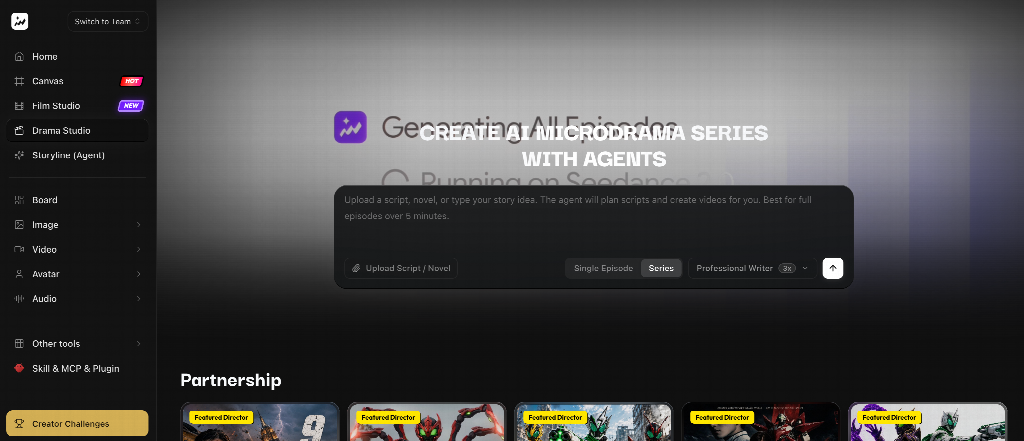
Topview Drama Studio is built as an AI drama workspace, not a single generate button. The useful shape is:
- Agent planning to clarify story direction and adaptation choices
- Structured workbench for editable outlines, episodes, characters, locations, props, scripts, and beat sheets
- Storyboards before you spend generations
- Beat-to-video production powered by Seedance 2.5 with references, versions, continuation, and export
Intake matches how micro drama actually starts: one-line ideas, outlines, full scripts, novel chapters, serialized concepts. Output habits match the format: character setup, episode planning, scene breakdowns, dialogue, voiceover, captions, and generated scenes kept inside one project.
That is why it ranks first here. Micro drama dies when planning lives in chat, casting lives in Drive, boards live in another tab, and video lives in a model playground. Drama Studio keeps those stages connected.
Choose it when: you are adapting fiction, testing a vertical series, or shipping multi-episode pilots and need continuity records — not just pretty takes. Skip it when: you only need one mute cinematic insert with no cast memory.
2. Crreo AI — best “one timeline” episode maker for solo creators
Crreo’s 2026 positioning is blunt: vertical episodic dramas for people without a studio crew. Strengths called out in their own micro-drama guide include project-level character consistency, multi-character dialogue modes, automated storyboards, unified timeline (visuals + VO + music + SFX + subs + thumbnails), and episode-length exports that can stretch well past a single social hook on paid plans.
Choose it when: you want an assembler that feels like “script in, episode out” with fewer stage gates. Skip it when: you need a heavier showrunner workbench for novel adaptation, multi-asset production references, and beat approval before generation.
3. MicroDirector AI — best planning & hook-intelligence desk
MicroDirector leans into the 60-second vertical economics: series outlines, episode breakdowns, cliffhanger logic, hook battles, drama scores, storyboards, and licensing-style exports. Creator ecosystem messaging even pairs planning with casting discovery tools.
That makes it excellent at the question “will this episode retain?” — and thinner if your definition of “generator” requires final AV episodes without leaving the planning suite. Many teams will still route finished shots through a separate video model stack.
Choose it when: writing, scoring hooks, and series architecture are the bottleneck. Skip it when: you need one product to own beat-to-video production end to end.
4. Magiclight / LTX-style story studios — best when episodes run long
Tools in the Magiclight / LTX Studio neighborhood show up in micro-drama comparisons when creators want longer project timelines, scene assembly, and more cinematic project length. They can work for ambitious vertical seasons, but they often feel heavier than the “ship a hooky episode today” cadence Topview and Crreo optimize for.
Choose it when: your “micro” drama is creeping toward multi-minute episodic films. Skip it when: you need a lean vertical machine with fast beat approval.
5. Frontier clip models alone — best shot engines, worst series brains
Kling, Veo, Seedance, MiniMax, Wan, Omni Flash — all can look incredible on a single beat. None of them are a micro drama generator by themselves.
Use them inside a drama workflow for:
- motion-heavy action inserts
- photoreal close-ups
- longer AV story beats
Do not confuse model quality with series infrastructure. Without locked characters, locations, and episode cards, you will regenerate a new show every Monday.
How to pick in sixty seconds
|
Your bottleneck |
Start here |
|
Plan → assets → boards → episode video in one project |
Topview Drama Studio |
|
Solo timeline + dialogue episode assembly |
Crreo |
|
Hook scores / series outline / retention writing |
MicroDirector |
|
Longer cinematic episode projects |
Magiclight / LTX-style |
|
One hero shot that must look expensive |
Frontier model inside a drama pipeline |
A fair test (ignore the marketing adjectives)
Take the same stubborn brief:
Then score only:
- Did the face hold?
- Did the room hold?
- Did the cliffhanger feel designed or accidental?
- Could you find the assets next week without archaeology?
The tool that wins that test is your micro drama generator. The tool that only wins a beauty screenshot is not.
Bottom line
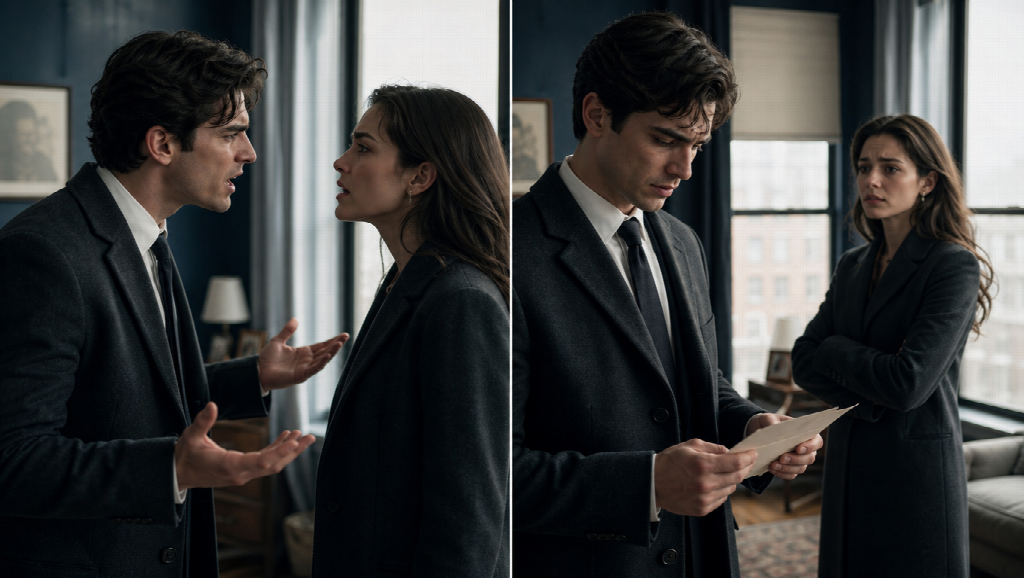
In 2026, the best micro drama generator is the one that treats episodes like a show, not a folder of clips.
For most creators who need agent planning, a structured workbench, storyboards, and beat-to-video production in one place, Topview Drama Studio is the clearest overall pick. Pair it with specialist writers’ desks or frontier models when a single stage needs extra firepower — but do not demote your series bible to a chat scroll.