
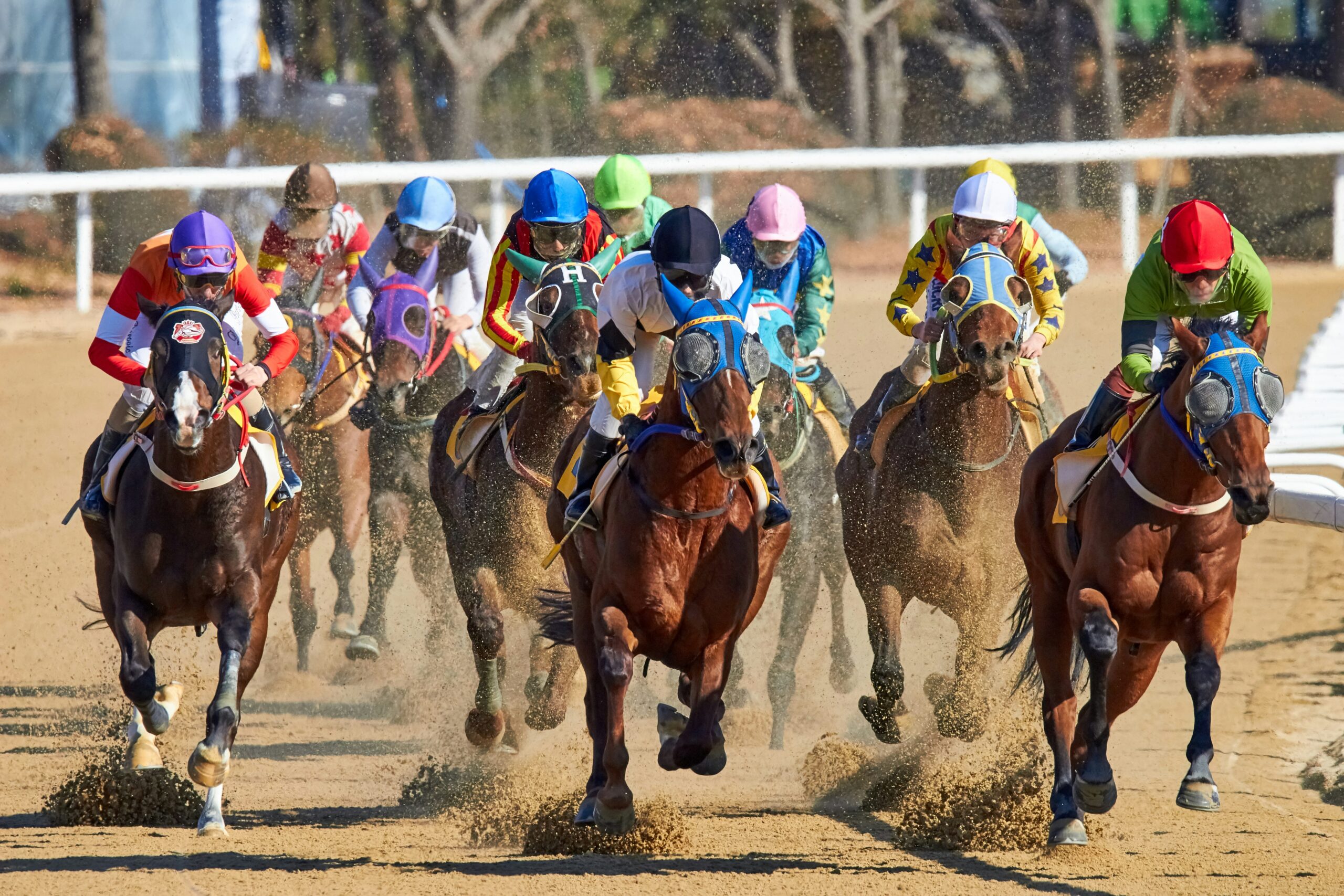
On April 11, 2026, the global sporting calendar reaches one of its most anticipated peaks as the Randox Grand National returns to Aintree Racecourse. This isn’t just a horse race; it is a four-mile odyssey through history, defined by a massive field of runners and fences so legendary they have their own names. For the casual viewer, it is the one day of the year the “entire world” stops to watch; for the seasoned analyst, it is the ultimate test of stamina, jumping technique, and tactical patience.
The 2026 edition carries a unique weight, as the sport balances its deep-rooted traditions with a modern commitment to safety and precision. With a strictly capped field and a prize fund that remains the envy of the jumps racing world, the stakes at Aintree have never been more palpable.
The Architecture of Aintree: Jumps That Define Legends
What sets the Grand National apart from any other steeplechase is the course itself. Spanning 4 miles and 514 yards, the runners must navigate two circuits of 16 fences—30 jumps in total. These obstacles are constructed from a plastic birch frame topped with at least 14 inches of spruce, creating a formidable sight for both horse and rider.
Becher’s Brook (Fence 6 & 22)
Named after Captain Martin Becher, who fell here in the first official race in 1839, this fence is notorious not for its height (4ft 10in), but for the “drop” on the landing side. The ground is significantly lower after the jump than before it, testing a horse’s balance and a jockey’s core strength to stay seated as the earth seems to fall away.
The Chair (Fence 15)
The tallest fence on the course at 5ft 2in, The Chair is jumped only once. It is preceded by a six-foot wide open ditch and features a landing side that is actually higher than the take-off side. It is a true test of raw power and vertical thrust, often thinning out the field before the second circuit begins.
Canal Turn (Fence 8 & 24)
Perhaps the most tactical point of the race, the Canal Turn requires the field to make a sharp, 90-degree left turn immediately upon landing. Jockeys must decide whether to take the shortest route on the inside—risking a crowded jump—oar swing wide for a clearer but longer path.
The 2026 Field: Data, Weights, and Favorites
In an era where data dominates the paddock, the 2026 Grand National features a maximum of 34 runners, a field size reduced from the traditional 40 to enhance safety and reduce congestion at the first few fences. This year’s entries represent the elite of the National Hunt world, with a £1 million prize fund driving the competition to a fever pitch.
The early market buzz for 2026 centers on Iroko, trained by Oliver Greenall and Josh Guerriero. After a professional fourth-place finish in 2025, the eight-year-old has matured into a stamina-packed chaser. He is currently trading as the early 8/1 favorite. Close behind is the 2024 champion, I Am Maximus, who at ten years old remains a formidable force for the Willie Mullins yard.|
Strategy, Security, and Digital Engagement
For many of the 800 million global viewers across 170 countries, the Grand National is the ultimate engagement event. The complexity of the race—balancing weight-carrying ability against ground conditions—requires a sophisticated level of analysis. Modern fans no longer rely on “gut feeling”; they use real-time metrics and historical trends to find value in a field where anything can happen.
This demand for a seamless, high-stakes experience is mirrored in the digital world. Just as a trainer meticulously prepares a horse for the Aintree turf, digital enthusiasts seek out platforms that offer a “pole position” user journey. For those who enjoy the rush of a well-timed play and the security of a premier interface, exploring a destination like Casino Rocket provides a parallel thrill. Whether tracking the latest odds on a “Cinderella” outsider or enjoying a session during the pre-race build-up, the synergy between elite sport and high-velocity digital entertainment defines the 2026 fan experience
Key Factors for the 2026 “Punter”
- The Weight Factor: Historically, horses carrying less than 11 stone (154 lbs) have a higher success rate in the grueling four-mile slog.
- Age Statistics: Eight and nine-year-olds are in the “sweet spot”—possessing the necessary speed without losing the stamina required for the final run-in.
- The “Melling Road”: Pay close attention to how the field crosses the Melling Road for the second time; this is usually the moment the true contenders begin their surge toward the final two fences.
Conclusion: Racing’s Greatest Spectacle
The Grand National remains a race like no other because it demands everything: bravery, luck, and tactical genius. When the tape goes up at 4:00 PM on April 11, 2026, it won’t just be about the prize money; it will be about the 187-year legacy of those who have conquered Becher’s and sprinted down the Aintree straight to immortality.