
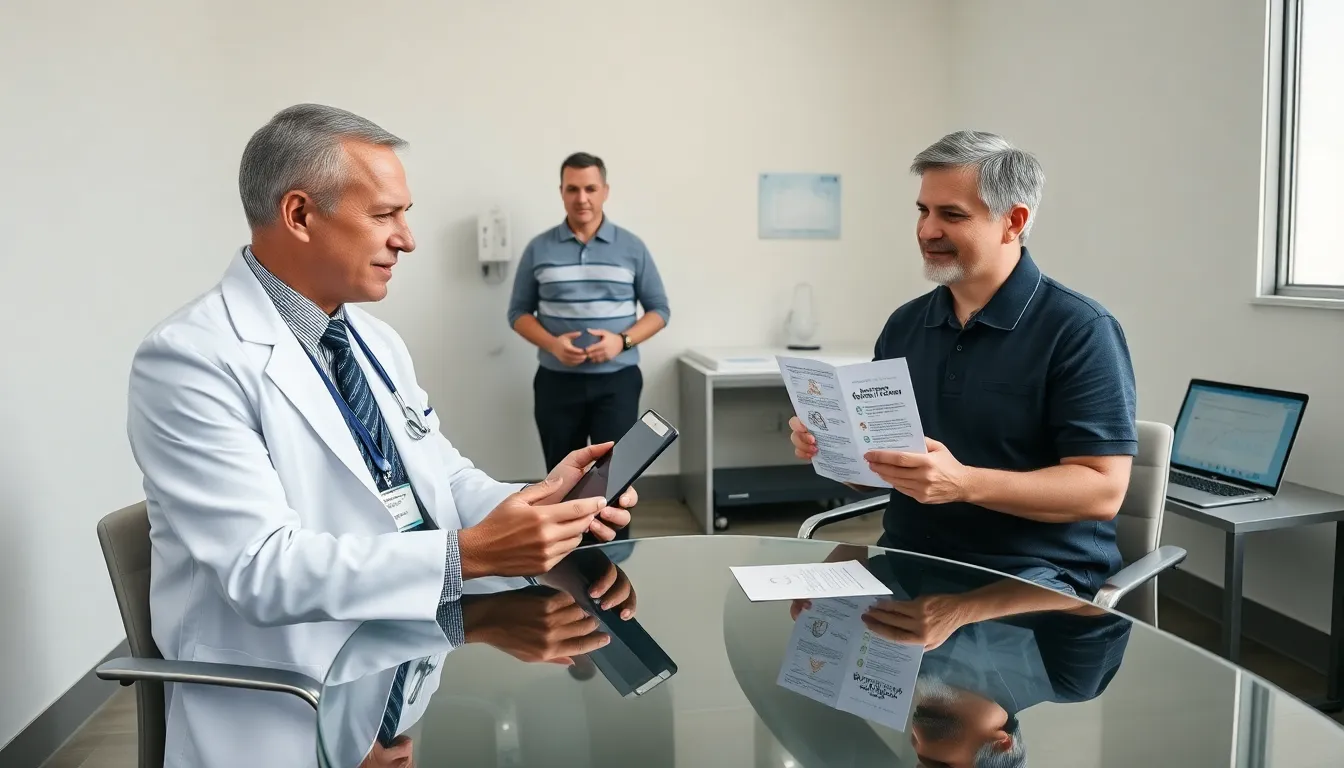
How to prevent neuropathy from chemo starts with awareness and early action. Patients and clinicians must assess risk, watch for early signs, and apply proven prevention steps. This guide lists clear options that reduce nerve damage and improve function.
Key Takeaways
- To prevent neuropathy from chemo, patients and clinicians should assess risk factors (age, diabetes, drug type, dose) before starting treatment.
- Report new numbness, tingling, weakness, or balance changes immediately so clinicians can document symptoms and consider dose adjustments or treatment changes.
- Oncologists can reduce nerve injury by modifying drug choice or schedule, using procedural approaches, and considering evidence-based neuroprotective agents.
- Start supportive measures now—tight blood sugar control, stop smoking, protective foot care, and physical therapy—to lower nerve stress and preserve function.
- Continue rehabilitation and scheduled follow-up after chemotherapy to monitor recovery, manage persistent symptoms, and prevent long-term disability.
What Is Chemotherapy-Induced Peripheral Neuropathy (CIPN)?
Chemotherapy-induced peripheral neuropathy, or CIPN, is nerve damage that follows certain cancer drugs. It causes numbness, tingling, burning, and weakness in hands and feet. CIPN can change walking, balance, and fine motor tasks. Some drugs cause sensory symptoms. Others cause motor or autonomic problems. Symptoms may start during treatment. Symptoms may persist after treatment ends. Doctors grade CIPN by severity to guide treatment changes and prevention efforts.
Who Is At Higher Risk?
Patients who receive platinum drugs, taxanes, vinca alkaloids, or bortezomib face higher CIPN risk. Older adults have higher risk. Patients with diabetes or preexisting neuropathy have higher risk. Patients who get higher cumulative doses have higher risk. Patients who receive combined neurotoxic agents have higher risk. Genetics can raise risk in some people. Prior alcohol misuse can raise risk. Clinicians should identify risk factors before and during treatment.
Signs And Early Detection To Watch For
Early detection helps prevent progression. Patients should report new numbness, tingling, or burning right away. They should report weakness, balance loss, or foot drop. Clinicians should perform baseline nerve exams. Clinicians should ask about hand strength and walking. Use simple tools like monofilament tests and vibration checks. Use patient-reported outcome measures at each visit. Track symptoms with a short diary or app. Early documentation helps guide dose changes and referrals.
Evidence-Based Prevention Strategies Oncologists Use
Clinicians use several steps to reduce nerve injury. They adjust drugs, try procedural options, consider neuroprotective medicines, and change schedules to lower exposure.
Lifestyle And Supportive Measures Patients Can Start Immediately
Patients can add simple habits that lower nerve stress and reduce injury. They can work with physical therapy, control blood sugar, stop smoking, and protect their skin and feet.
When And How To Communicate With Your Oncology Team
Clear communication helps prevent long-term damage. Patients should report symptoms early and often. Clinicians should set clear expectations and follow symptom checklists.
Longer-Term Strategies After Chemotherapy Ends
Patients need ongoing care after chemotherapy stops. Rehabilitation, continued symptom control, and scheduled follow-up help recovery.