
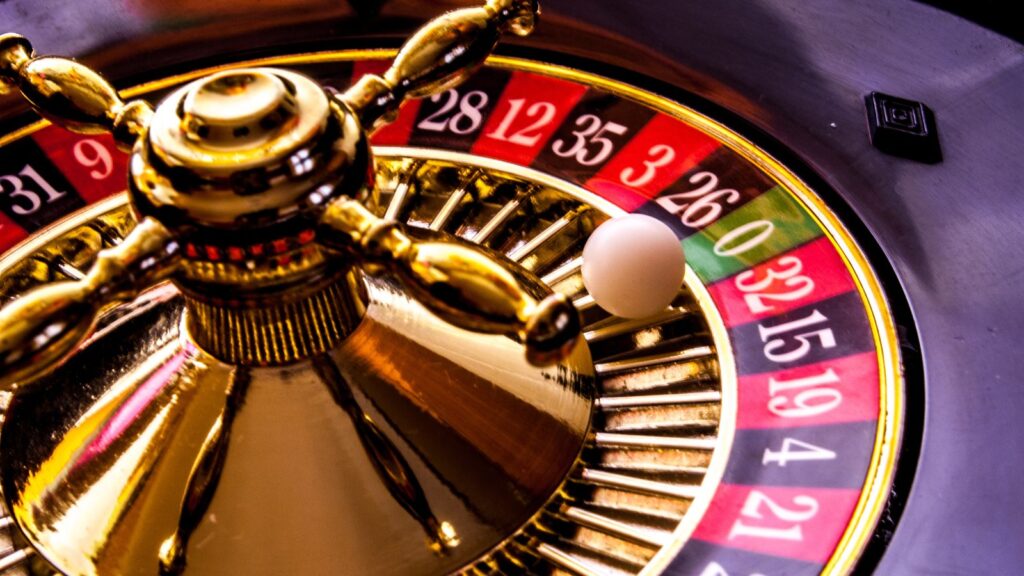
Most people learn roulette by staring at the last results and guessing “what’s due.” I did that, and it made me sloppy. As a player, I used seven drills to learn roulette in a real way – by how bets pay, how swings feel, and how sessions move. This piece breaks down my experience.
If you want a spot to run these drills, SlotMafia has both European and American roulette plus a welcome package that reaches €15,000 and 350 free spins across four deposits. It also supports cards and crypto like USDT, BTC, and DOGE, with 2FA and SSL.
Approach 1 — The One Bet Only Drill
I choose one bet type, and I refuse to switch for a full session. When I used to swap from red/black to dozens to a few numbers “just to try,” I never learned the real feel of any bet. I only learned how to chase comfort.
So try it like this: pick one bet type, keep the same stake, and run a set amount of spins (I like around 80–120). Your job is to notice how the bet behaves when it’s boring, and when it turns nasty.
Approach 2 — The Losing Run Homework
I track losing runs on an even-money bet for a few sessions. Not to panic. Just to learn what “normal” feels like. Here’s what I write down:
- Longest losing run I saw today: ___
- Second-longest run: ___
- What I wanted to do in the middle of it: ___
- What I did instead: ___
The third line is where the truth sits. Early on, my answer was often “switch bets” or “raise stake.” That urge is the whole problem. Once you’ve seen a few ugly runs, you stop treating them like a message from the wheel.
Approach 3 — The Exit Rule Practice
Most mistakes happen after the plan ends. So I train exits like a skill, with a simple rule set:
- Pick a spin cap (example: 100 spins).
- Pick one stop trigger (example: three wins on red/black, or two hits on a dozen).
- The session ends when the first thing happens.
This keeps me from drifting into “one more spin” mode. It also forces clean learning: you judge the bet after a real chunk of spins, not after five minutes of noise.
Approach 4 — The Payout Map Shortcut
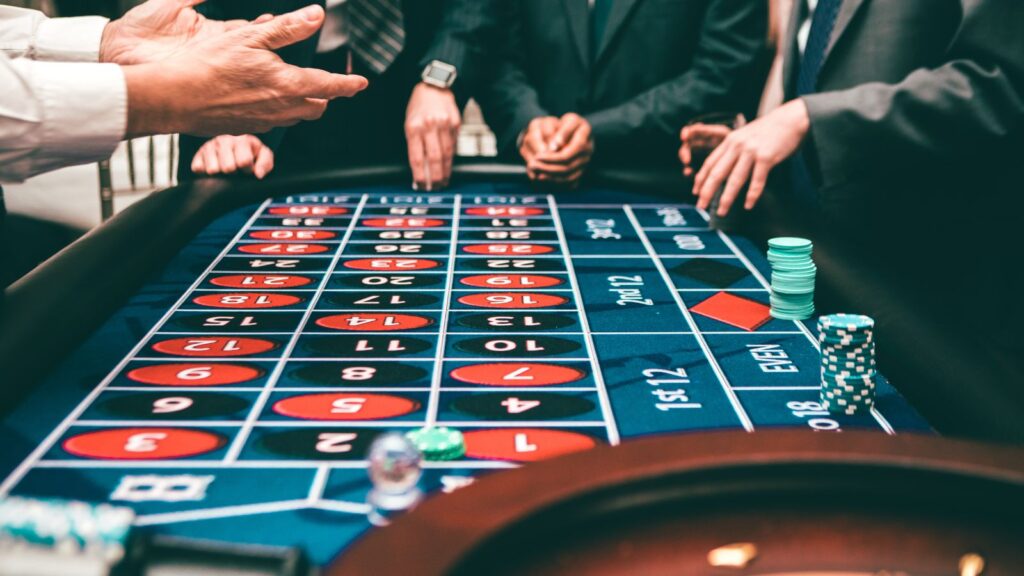
I stopped thinking in “systems” once I started thinking in payouts. Not in math formulas. Just in what a win looks like, and how long the gaps can be. My quick payout map:
- Even-Money Bets: frequent small hits, but long grind sessions happen
- 2:1 Bets (Dozens/Columns): fewer hits, bigger steps up and down
- Higher Payout Bets (Splits/Numbers): long quiet stretches, sharp spikes
A real example from my notes: I ran straight-up numbers for 60 spins and hit nothing. Old me would call that “unlucky” and start searching for a “better pattern.” New me just wrote: “This bet has long gaps. I need to accept the gaps or pick a different tool.”
Approach 5 — The Bad Session Autopsy
When I have a session that annoys me, I do a short autopsy. I keep it short on purpose, so I don’t talk myself into a fantasy. I answer four questions:
- What bet did I start with?
- When did I break my own plan?
- Why did I break it (boredom, “felt due,” panic)?
- What is one fix for next time?
One time my “why” was simply: boredom. That was embarrassing, but useful. My fix was not a new bet. My fix was a shorter session and a hard stop trigger. Same bet, cleaner head.
Approach 6 — The Table Flow Lesson
I learned roulette faster when the table flow became automatic: timing, chip values, and how the layout works. Online adds its own traps, too: rebet buttons, double buttons, fast timers, and the history panel begging for attention.
I picked up this habit from slots too. On the playn go official website, game pages make it normal to open the info screen first. I do the same in roulette before I place chips.
Here are five mistakes I stopped making once table flow felt easy:
- Rushing a bet at the last second and placing the wrong chip
- Misreading the chip value and staking more than I meant
- Hitting rebet when I wanted to switch
- Clicking a side bet by accident on tight layouts
- Staring at history instead of the only real question: “What drill am I running?”
Approach 7 — The Personal Roulette Menu
I built a tiny “menu” with three modes, and I choose a mode before I spin. Not after a few results. My menu:
- Low Swing Mode: even-money bets, steady pace
- Mid Swing Mode: dozens or columns, fewer hits
- High Swing Mode: a small set of number bets, sharp spikes
Each mode has a spin cap and one stop trigger (from Approach 3). That’s the whole thing. The point is control. I’m choosing the kind of swing I can handle today.
Stop Reading The Wheel Like A Horoscope
Roulette gets easier when you stop treating results like clues. The history bar is entertainment, not guidance. Pick two drills from this list and run them for a week. You’ll learn the bets faster, stay consistent, and stop doing random moves that feel smart but teach nothing.