
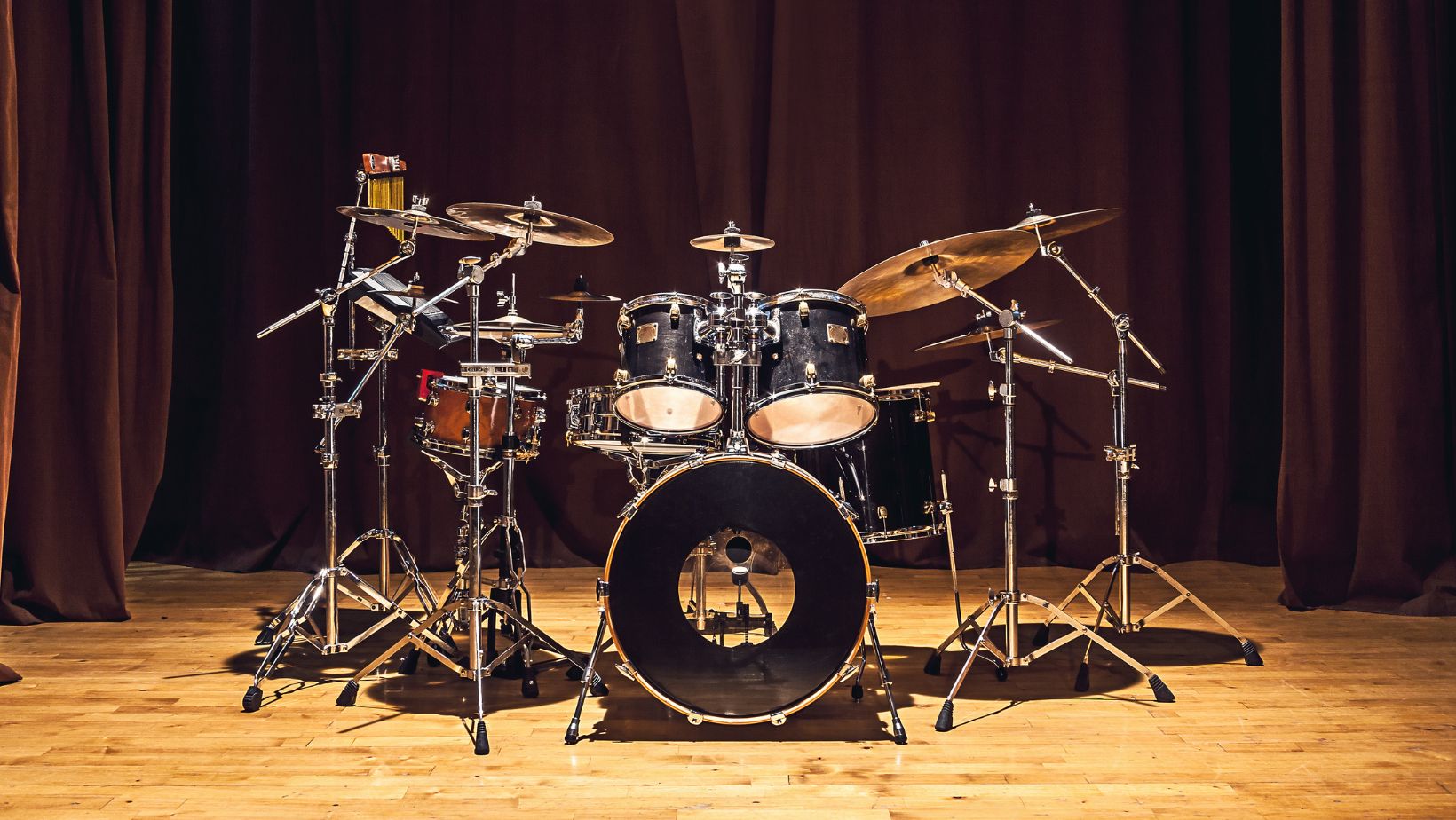
The decision between acoustic and electronic drums is one of the most significant choices any drummer faces, whether you’re a complete beginner just starting your rhythmic journey or an experienced player looking to expand your setup.
Both options offer distinct advantages and trade-offs that can dramatically affect your playing experience, practice habits, and musical opportunities.
Understanding the fundamental differences between these two approaches to drumming will help you make an informed decision that aligns with your goals, living situation, and budget.
Traditional Drum Kits Explained
Acoustic drums represent the traditional heart of drumming. When you strike an acoustic drum, you’re experiencing the pure, unfiltered physics of sound: the vibration of drumheads, the resonance of shells, and the shimmer of metal cymbals. This creates a dynamic, organic sound that many drummers consider irreplaceable.
Benefits Of Acoustic Drums
1. Authentic feel and Touch sensitivity
The feel of acoustic drums remains their strongest selling point. The natural rebound of wooden sticks against drumheads and the responsive relationship between your touch and the sound produced creates an intimate connection with the instrument.
Every subtle variation in how you strike the drum translates directly into tonal differences, teaching you nuanced control and sensitivity that forms the foundation of excellent drumming technique.
2. Best for live performance
For live performance, acoustic drum sets deliver unmatched visual and sonic impact. The commanding presence of a full drum kit on stage, combined with the raw power and acoustic projection of the instrument, creates an energy that audiences feel in their chest.
Recording engineers and producers often prefer acoustic drums for their natural overtones and the complex sound that’s difficult to replicate electronically.
3. No technology dependence
Unlike electronic drums, acoustic kits require no power source, modules, or technology that can malfunction or become obsolete.
Disadvantages Of Acoustic Drums
- Volume Issues for Apartments
A full acoustic drum kit can reach over 100 decibels, making practice in apartments, shared housing, or any noise-sensitive environment nearly impossible without soundproofing. This limitation can severely restrict your practice time and potentially strain relationships with neighbors and family members. - Space Requirements
A standard five-piece acoustic kit with cymbals demands considerable floor space, making it impractical for small apartments or bedrooms. Maintenance includes regular head replacement, hardware tightening, and tuning, which requires knowledge and patience to master. - Higher Maintenance Costs
Acoustic drums need regular tuning, drumhead replacements, and hardware maintenance to keep them sounding their best.
Digital Drum Kits Explained
Electronic drums (also called electric drums or digital drums) have evolved dramatically from their early iterations.
Modern electronic drum kits use mesh heads or rubber pads connected to a sound module that generates drum sounds through headphones or amplifiers. This technology has revolutionized home practice and opened drumming to people who previously couldn’t accommodate acoustic kits. For drummers comparing models today, here’s the curated best electronic drum set collection, making it easier to evaluate features, price points, and overall playability before investing in a kit. Let’s learn the benefits and of electronic drums
Benefits of Electronic Drums
1. Volume Control and Silent Practice: The volume control capability of electronic drums is revolutionary. With headphones, you can practice at any hour without disturbing anyone, making consistent practice schedules possible regardless of your living situation.
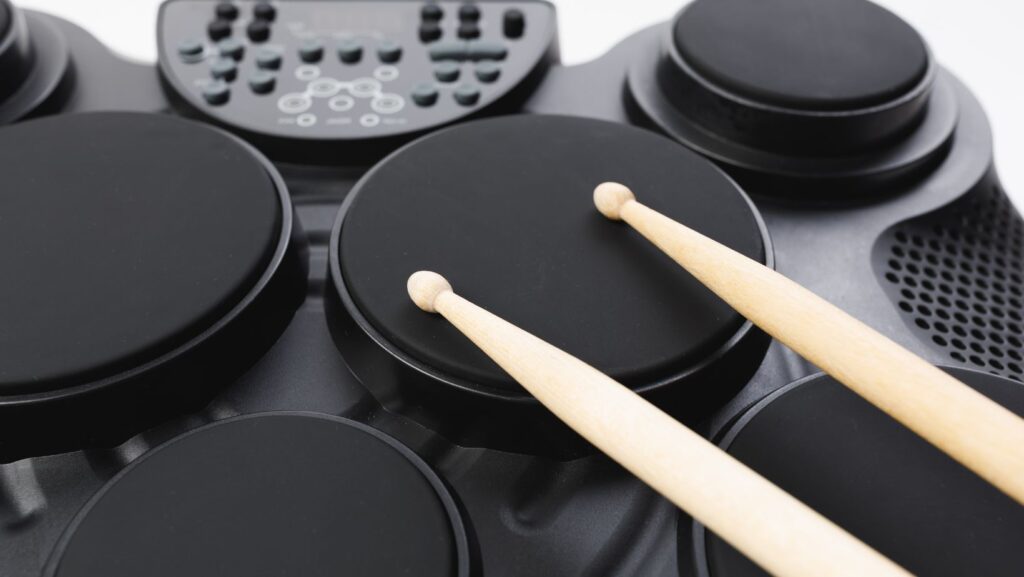
This makes them the best drums for apartments and shared living spaces. This single feature has enabled countless drummers to develop their skills who otherwise would have been unable to play at home.
2. Space-Saving Design: Space efficiency is another major advantage. Electronic drum kits typically have smaller footprints and can often be folded or compacted when not in use. Some models are designed specifically for tight spaces, with all pads mounted on a compact rack system, making them ideal drums for small spaces.
3. Sound Versatility and Features: The versatility of electronic drums extends far beyond traditional drum sounds. A single electronic kit can produce hundreds or thousands of different drum sounds, from classic acoustic kits to electronic percussion, orchestral timpani, and exotic world percussion instruments. You can practice with a jazz kit, switch to a metal setup, then explore Latin percussion without changing any physical drums. Many modules include play-along songs, metronomes, and recording features that enhance practice sessions.
4. Easy Home Recording: For recording at home, electronic drums offer a straightforward solution. You can connect directly to a computer interface and capture perfect, noise-free drum tracks without microphones, acoustic treatment, or worrying about disturbing others. This makes electronic drums particularly attractive for bedroom producers and home studio enthusiasts.
Disadvantages of Electronic Drums
1. Different Feel and Response
Despite their advantages, electronic drums have limitations that every potential buyer should consider carefully. The feel differs noticeably from acoustic drums. While mesh heads have improved dramatically and provide good rebound, they don’t perfectly replicate the complex response of acoustic drumheads. The relationship between strike velocity and volume can feel different, and some drummers find this affects their technique development.
2. Cymbal Pad Limitations
Cymbals remain the weakest point in most budget electronic drum kits. Rubber cymbal pads, even on mid-range kits, don’t provide the same swinging motion, edge-to-bell tonal variation, or choke ability of real cymbals. Higher-end electronic kits address these issues with better cymbal pads, but they come at significantly increased cost.
3. Sound Quality Depends on Your Budget
The sound quality depends entirely on your module and speakers or headphones. Budget electronic drum sets often have noticeably artificial sounds that lack the warmth and complexity of acoustic drums. Upgrading to professional-level electronic drums with realistic sounds can cost as much as or more than quality acoustic kits.
4. Potential Latency Issues
Latency, though minimal on modern kits, can occasionally be perceptible, creating a slight delay between when you strike a pad and when you hear the sound. For most players this is negligible, but sensitive drummers may find it distracting.
| Feature | Acoustic Drums | Electronic Drums |
| Volume Control | Very loud (100+ dB) | Silent with headphones |
| Best For | Live performance, studios | Apartments, home practice |
| Feel/Playability | Most authentic | Good, but different |
| Sound Variety | One kit sound | Hundreds of sounds |
| Space Required | Large footprint | Compact, foldable |
| Maintenance | Regular tuning, heads | Minimal, software updates |
| Recording | Requires mics, treatment | Direct USB connection |
| Price Range | $300-$5,000+ | $300-$5,000+ |
| Beginner Friendly | Steep learning curve | Built-in learning tools |
Acoustic vs. Electronic Drums: Side-by-Side Comparison Which Drums Are Perfect for Beginners?
For beginners living in apartments: Electronic drums are typically the better choice. The ability to practice silently with headphones, built-in metronomes, and play-along features make learning easier and more convenient.
For beginners with dedicated practice space: Acoustic drums offer the most authentic learning experience and develop proper technique from the start. If noise isn’t a concern, many drum teachers recommend starting with acoustic drums.
Budget considerations: Both types offer entry-level options around $300-$500, but remember that acoustic drums require additional purchases like cymbals, hardware, drum throne, and sticks. Electronic drum kits typically include everything except headphones or an amplifier.
Perfect Electronic Drums for Apartments and Small Spaces
When shopping for quiet drums for apartments, look for these features:
- Mesh head pads for quieter playing and better feel
- Compact rack design that can fit in corners
- Quality sound module with headphone output
- Velocity-sensitive pads for dynamic expression
- Foldable design for easy storage
Popular beginner-friendly electronic kits include models from Roland, Alesis, and Yamaha in the $400-$800 range.
Making Your Decision: Which Drum Kit Should You Purchase?
Your choice between acoustic and electronic drums should ultimately depend on your specific circumstances and priorities.
Choose Acoustic Drums If You:
- Have a dedicated practice space where noise isn’t a concern
- Value the authentic acoustic drum experience
- Plan to perform live regularly
- Have space for a full kit
- Don’t mind regular maintenance and tuning
Choose Electronic Drums If You:
- Live in an apartment or shared housing
- Need to practice at irregular hours (early morning/late night)
- Want versatility in sounds and styles
- Focus on home recording and music production
- Need a space-saving, portable solution
- Want built-in learning tools and features
The Hybrid Approach
Many serious drummers eventually own both types, using electronic drums for practice and acoustic drums for performance and recording. If possible, this hybrid approach provides maximum flexibility and the benefits of both worlds.
Budget considerations matter as well. While you can find entry-level versions of both types at similar prices, remember that acoustic drums require additional purchases like cymbals, hardware, thrones, and potentially dampening equipment. Electronic drums need headphones or amplifiers but generally include everything else.
Conclusion: The Perfect Drum Kit Is the One You’ll Play
Whatever you choose, remember that consistent practice matters far more than equipment. Both acoustic and electronic drums can help you develop excellent technique and musicality. The best drum kit—whether it’s an acoustic drum set or an electronic drum kit—is the one you’ll actually play regularly.
Choose the option that removes obstacles to practice and inspires you to sit down and play every day. Consider your living situation, budget, and musical goals when making your decision. With the right choice, you’ll be on your way to becoming the drummer you’ve always wanted to be.